

How To Make Your Law Firm’s Practice Area Pages Stand Out
Generic legal copy makes every law firm sound the same. Learn how to create practice area pages that address real client concerns and give prospective clients a reason to trust your firm.
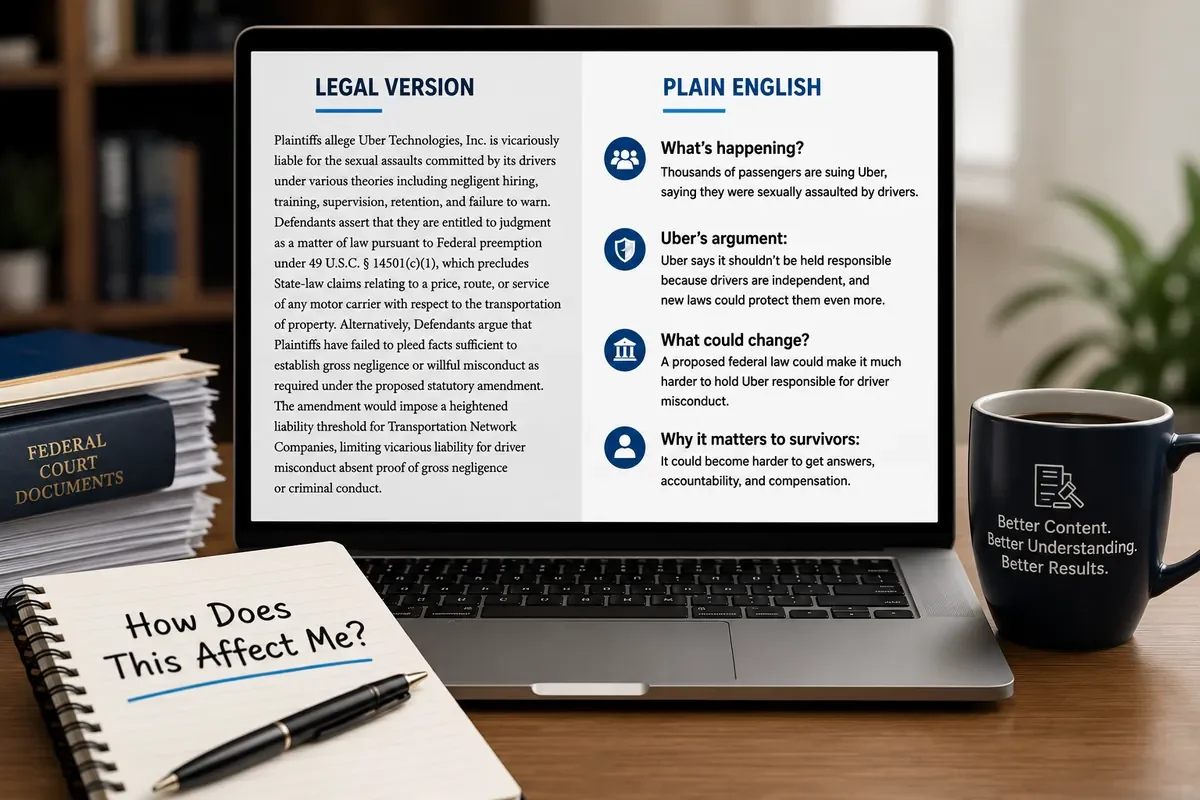
How To Easily Explain Uber’s Attempts To Escape Liability To Survivors
Uber’s liability fight is not just a legal story. It is a communication test for plaintiff firms. Survivors need clear, plain-English explanations of what Uber is trying to do, why it matters, and how it could affect accountability.
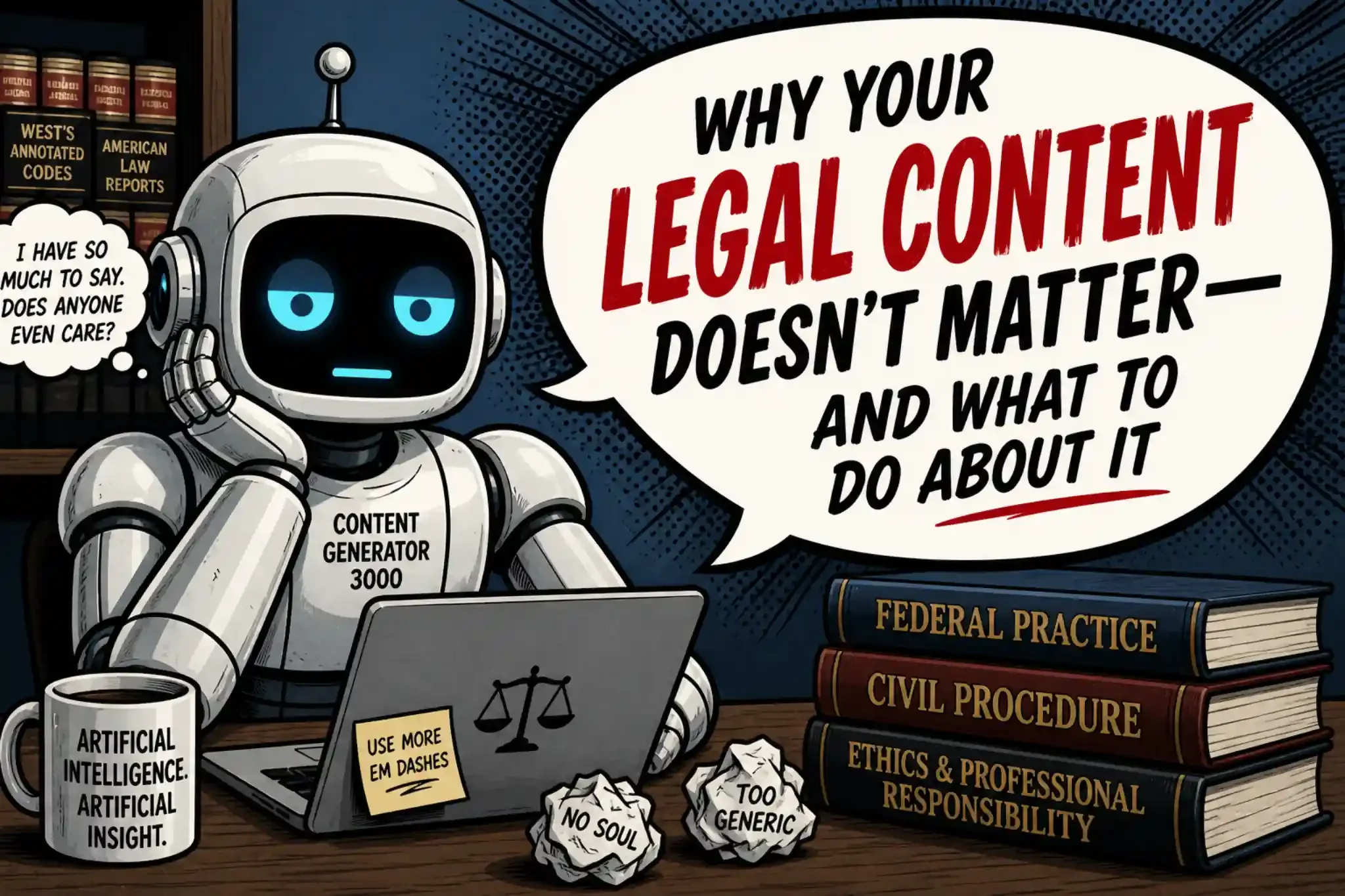
How You Can Tell Legal Content Was Written by AI And Never Edited by a Human
Most law firm content today sounds polished but says very little. This breakdown shows how to spot AI-written legal content instantly, why it fails to connect with real readers, and what actually works if your goal is to build trust and generate leads.

Roblox Rolls Out Age-Based Accounts Amid Ongoing Litigation
Roblox’s new age-based account system arrives as lawsuits over child safety intensify. For law firms that represent digital exploitation plaintiffs, updates like this are a real-time lead generation content opportunity.
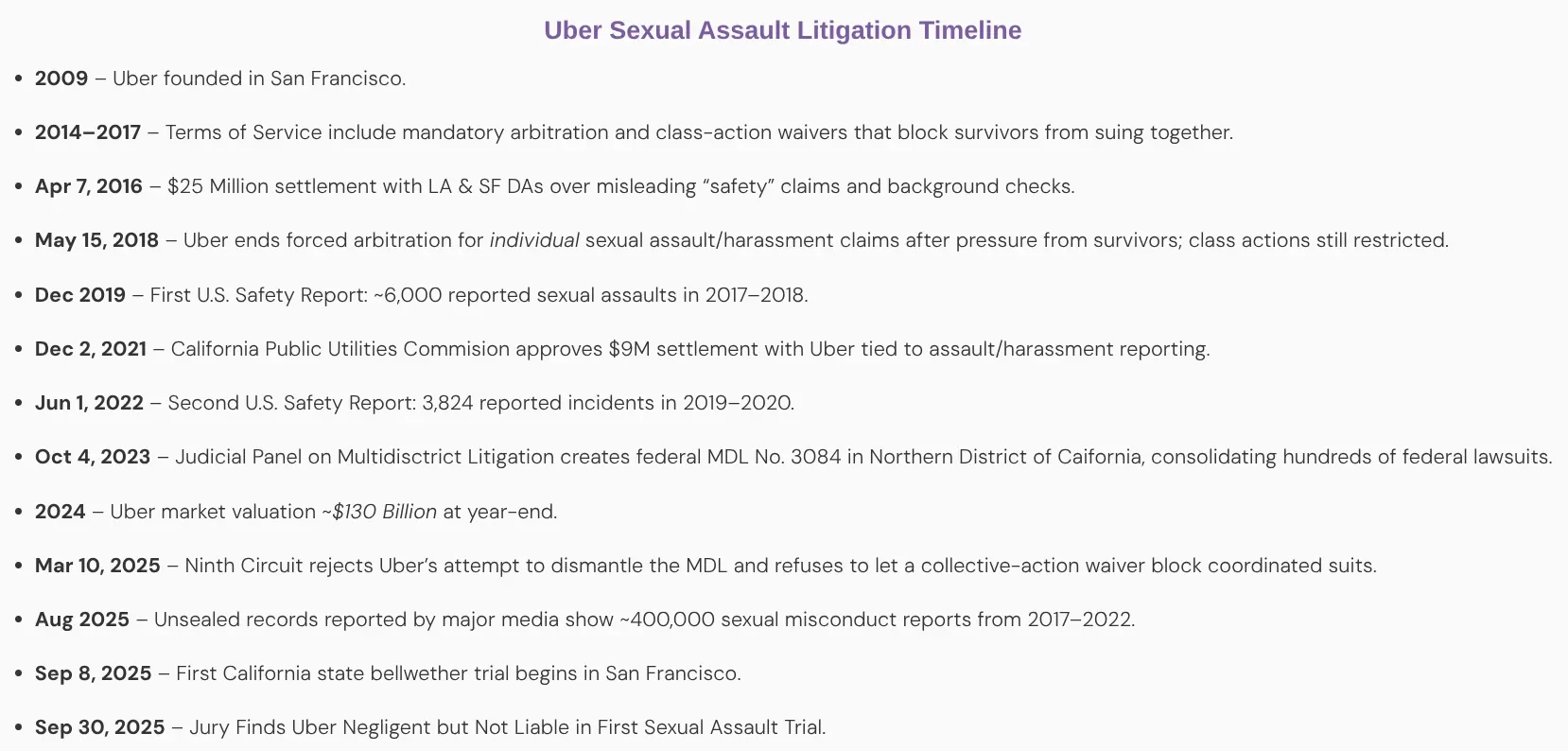
How Law Firms Can Turn Ongoing News Into Lead-Generating Content
Most law firm websites rely on static content, even when the cases they care about are constantly evolving. This post explores how turning ongoing legal news into structured, connected content can increase visibility, build authority, and generate higher-quality leads over time.

AEO and GEO for Law Firms: How Attorneys Can Show Up in AI Search Results
AI search is changing how potential clients find lawyers online. This article explains AEO and GEO in plain English and shows how law firms can improve visibility in Google AI Overviews, ChatGPT, Perplexity, and other AI-driven search tools.

Top 5 Mistakes Law Firms Make With Their Content Strategy
The biggest law firms may dominate search visibility with massive budgets, but smaller firms can compete through sharper, strategic content. This post outlines the five most common content strategy mistakes law firms make, from legalese overload to outdated litigation updates.
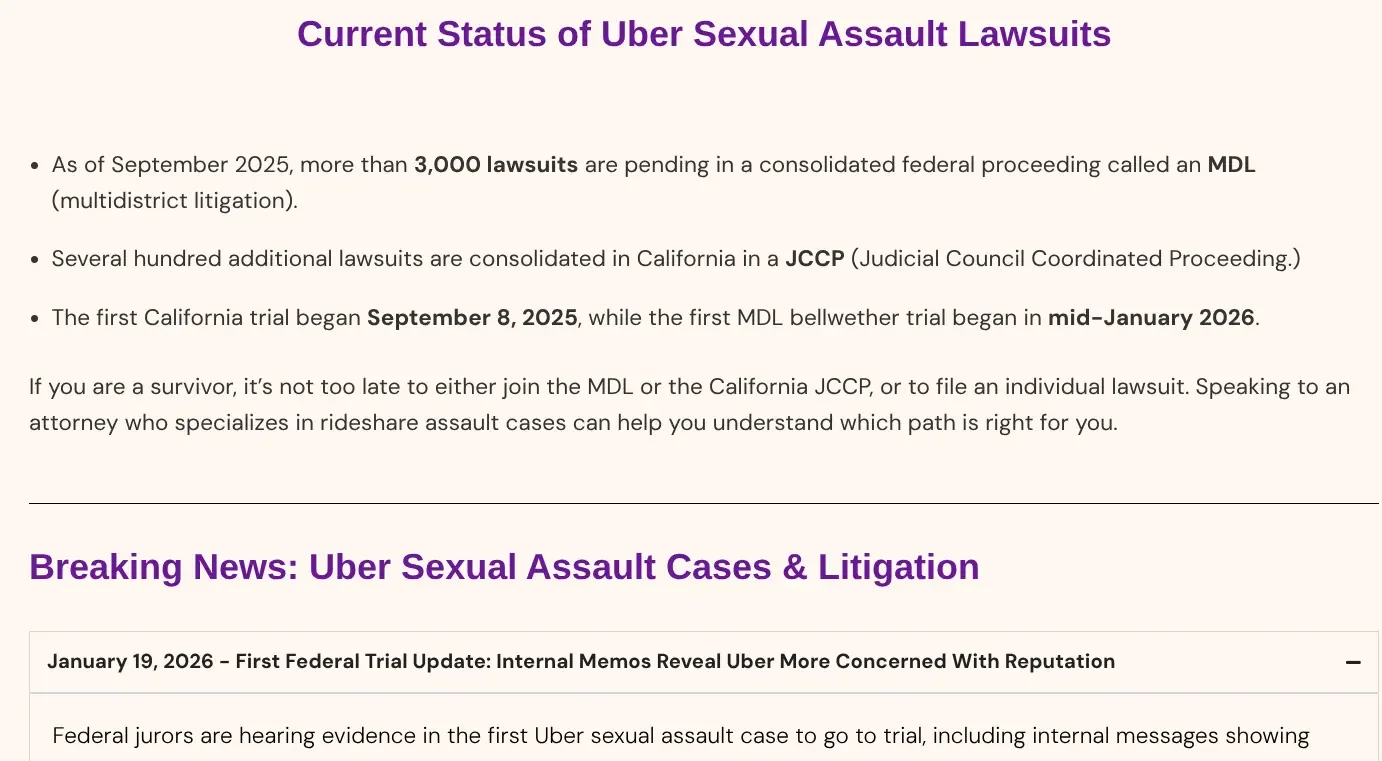
How to Build a Standout Litigation SEO Page in a Crowded Legal Search Landscape
In one of the most competitive plaintiff-side litigation search landscapes, this case study breaks down how a long-form Uber sexual assault lawsuit guide earned organic visibility through original analysis, ongoing legal updates, and sharp editorial judgement.

Why AI-Generated Legal Content Fails Without Human Editorial Jud(d)gment
AI tools can accelerate legal content production, but law firms relying on automation alone often sacrifice differentiation, credibility, and intake effectiveness. This article explains why human editorial judgment remains essential.